Artificiality Keynote at the Imagining Summit 2024
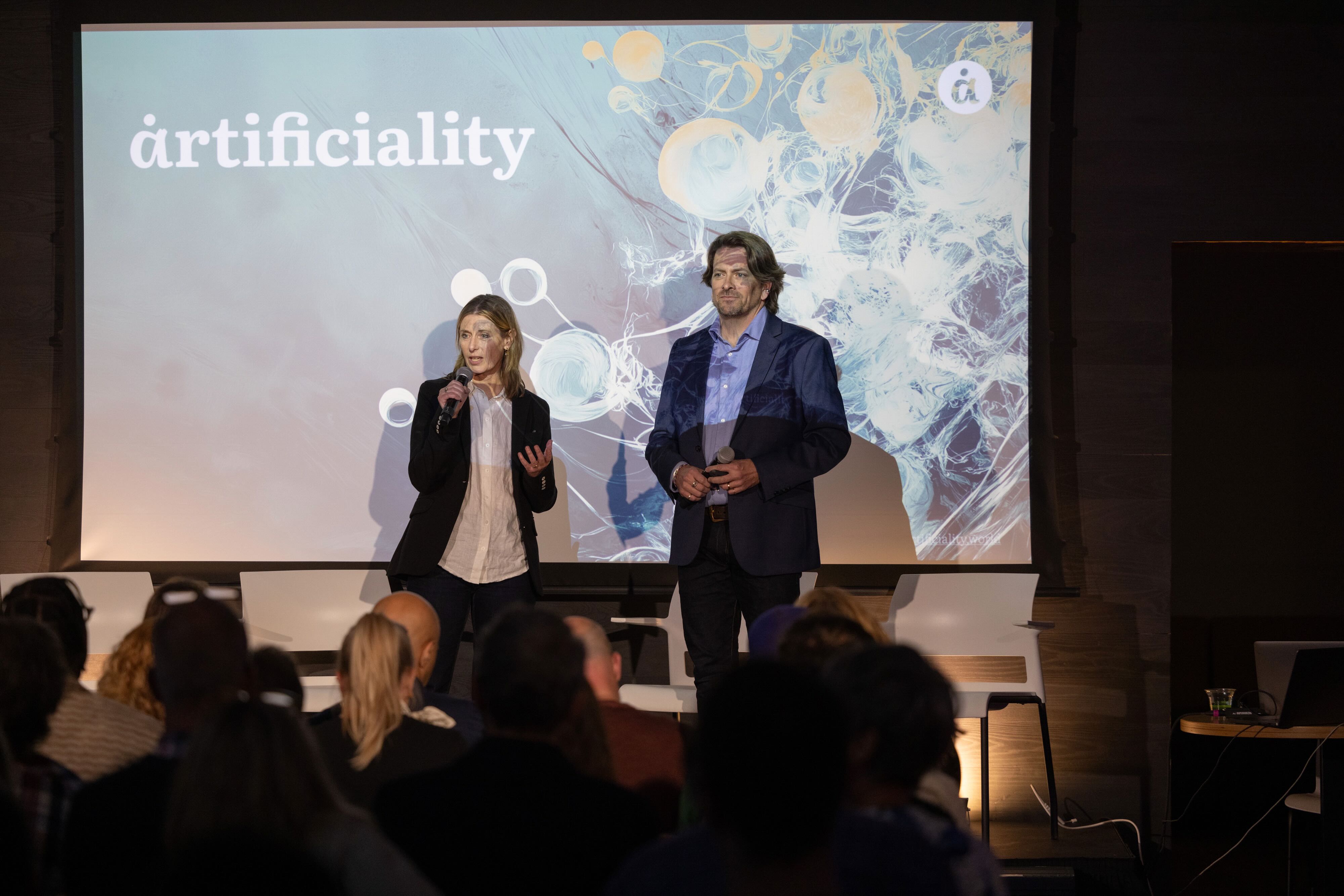
We opened the inaugural Imagining Summit with a talk that set the frame for everything that followed: what we mean by "the Artificiality" and why it matters.
The talk began with Jonas Hanway—the first man to carry an umbrella in 1750s London, publicly shamed for staying dry because wetness was considered an authentic human experience. It's a small story with a big point: seemingly trivial shifts in behavior can challenge deep-seated ideas about what it means to be human. And we're standing on the edge of something much larger than umbrellas.
We introduced our five research themes—intimacy, spatiality, knowledge, consciousness, and minds—and explored the promise and peril in each:
Intimacy: We're moving from an attention economy to an intimacy economy. AI's effectiveness depends on knowing us deeply. The question is whether that intimacy will serve us or be extracted from us, the way attention was.
Spatiality: Our sense of space shapes how we think. Digital overlays could expand spatial understanding—or create layers that distance us from the world we're trying to comprehend.
Knowledge: We're putting collective knowledge into systems that aren't passive storage but active participants. The "knowledge-ome" includes machines now. That changes what it means to know something.
Consciousness: If machines help us recognize consciousness in other entities, what might that reveal about our own? Could they absorb consciousness through us rather than developing it independently?
Minds: Steve Jobs called the computer a "bicycle for our minds." But computers are no longer bicycles we steer—they're becoming minds themselves. Our question: will these minds work for us, or will they extract value from us?
We closed with a provocation: the people crazy enough to think they can change the world are the ones who do. We're excited to be on that journey.

