Thinking With AI™ Certified
A certification in the one skill AI cannot replace: your reasoning and judgment as you use AI.
Two days in person.
Three months of practice on your real work.
- New York City: December 2-3, 2026
- San Francisco: February 2-3, 2026
- Chicago: April 6-7, 2027
- And more soon: request your city below
You use AI every day. It writes with you, analyzes with you, decides with you. And somewhere in all that fluency, a question has started to nag: how much of this thinking is still mine?
It is the right question. The research—ours and others'—says the people who thrive with AI are not the ones who use it most or least. They are the ones who stay the authors: who know what to hand over, what to keep, and how to tell the difference in the moment.
That is a skill. It can be learned, practiced, and demonstrated.
This course certifies it.
Who It's For
Professionals whose judgment is their value: leaders, advisors, analysts, designers, builders, experts of every kind. You already work with AI — this is not an introduction. You come with real work and a real decision, because everything in the course runs on them. Each cohort limited to 25 people.
What Makes It Different
Built on research. The course stands on our published work: an index of what makes work irreducible across hundreds of occupations, and a multi-year study of how people actually adapt to thinking with AI.
Practiced on your work. Your job, profiled. Your decision, run. Your chat history. Your project. Your agents workflow.
Taught above the tools. We teach the ways of working that matter right now: building yourself a tool with a few sentences of instruction—what people call vibe coding—sending work to agents and judging what comes back, having AI teach you a field, argue with you, watch something for you. Named tools change monthly, and a course built on them expires within a year. Capabilities persist: whichever products hold them next year, you'll already know how to work them well—and know what stays yours.
Certified by demonstration. The credential is earned over three months, on evidence your real work produces.
What you leave with
People who finish this use AI more deeply than most people you know—and are more themselves for it.
Read any job, including your own, for what AI competes with and what it complements—and where your job can push out the edge.
See where you and the people around you are adapting—and talk about it in a way others can hear and respond to.
Decide better with AI than you did before it arrived, and stand behind the result with instruments you built into your own tools, accelerating your understanding of AI even more.
Lead through the transition: meeting people where they are, giving AI its roles deliberately, and growing the work only humans can do—starting with your own.
You use AI every day. It writes with you, analyzes with you, decides with you. And somewhere in all that fluency, a question has started to nag: how much of this thinking is still mine?
It is the right question. The research—ours and others'—says the people who thrive with AI are not the ones who use it most or least. They are the ones who stay the authors: who know what to hand over, what to keep, and how to tell the difference in the moment.
That is a skill. It can be learned, practiced, and demonstrated.
This course certifies it.
Who It's For
Professionals whose judgment is their value: leaders, advisors, analysts, designers, builders, experts of every kind. You already work with AI — this is not an introduction. You come with real work and a real decision, because everything in the course runs on them. Each cohort limited to 25 people.
What Makes It Different
Built on research. The course stands on our published work: an index of what makes work irreducible across hundreds of occupations, and a multi-year study of how people actually adapt to thinking with AI.
Practiced on your work. Your job, profiled. Your decision, run. Your chat history. Your project. Your agents workflow.
Taught above the tools. We teach the ways of working that matter right now: building yourself a tool with a few sentences of instruction—what people call vibe coding—sending work to agents and judging what comes back, having AI teach you a field, argue with you, watch something for you. Named tools change monthly, and a course built on them expires within a year. Capabilities persist: whichever products hold them next year, you'll already know how to work them well—and know what stays yours.
Certified by demonstration. The credential is earned over three months, on evidence your real work produces.
What you leave with
People who finish this use AI more deeply than most people you know—and are more themselves for it.
Read any job, including your own, for what AI competes with and what it complements—and where your job can push out the edge.
See where you and the people around you are adapting—and talk about it in a way others can hear and respond to.
Decide better with AI than you did before it arrived, and stand behind the result with instruments you built into your own tools, accelerating your understanding of AI even more.
Lead through the transition: meeting people where they are, giving AI its roles deliberately, and growing the work only humans can do—starting with your own.
The Program
Day One: Awareness
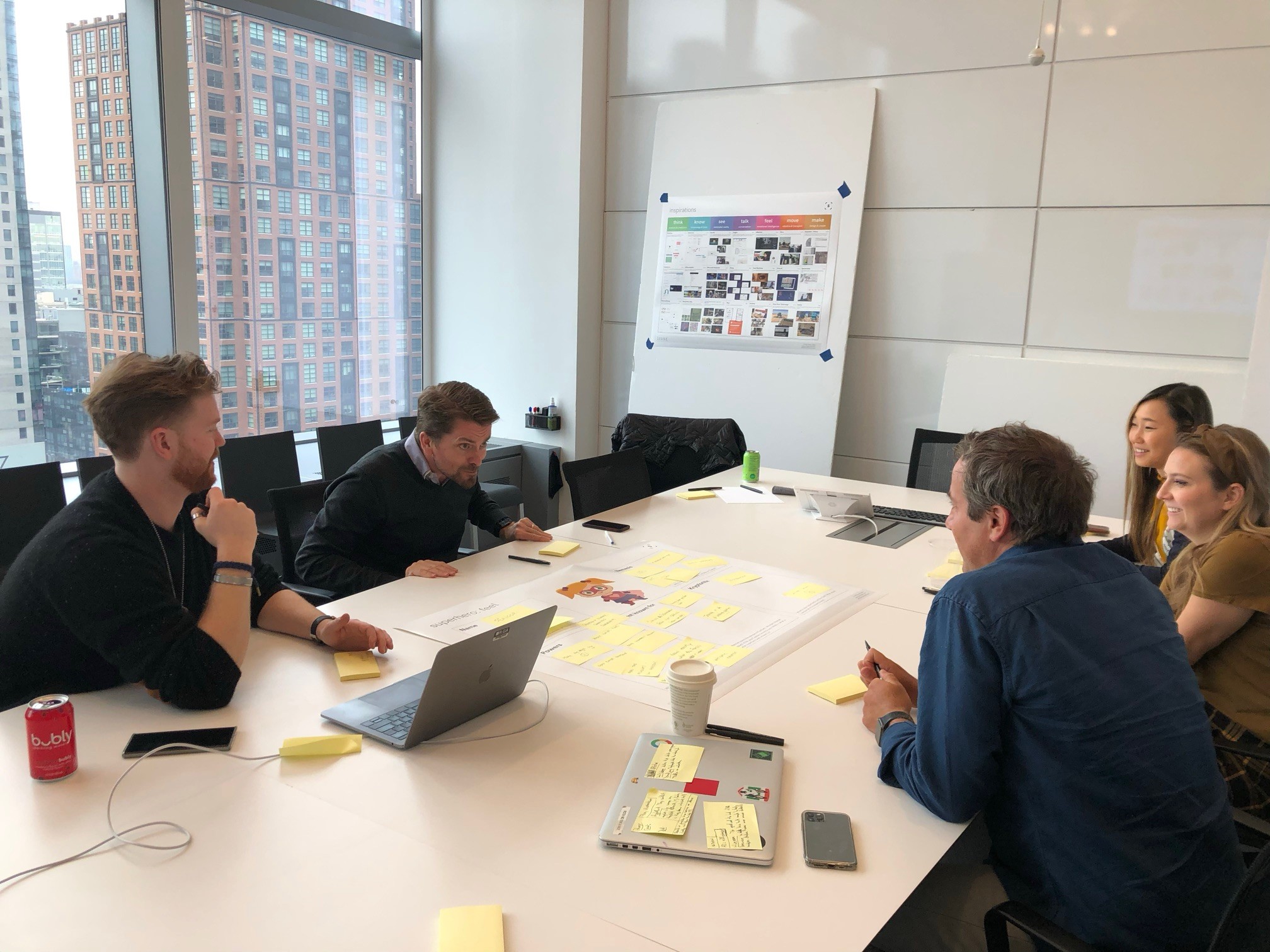
The structure of your work. Profile your own work on the five dimensions AI cannot absorb — being there, making hard decisions, combining fields, solving the new, taste. See where AI takes the middle of your job and where it pushes the edge outward. Know what to hand over, what to double down on, and where your work can grow.
How we adapt. Read your own AI history through the three patterns of adaptation—how collaboration changes your thinking, how the relationship changes your identity, and how AI changes what things mean in your work. Locate yourself honestly. Learn to recognize the same patterns in the people you work with and lead.
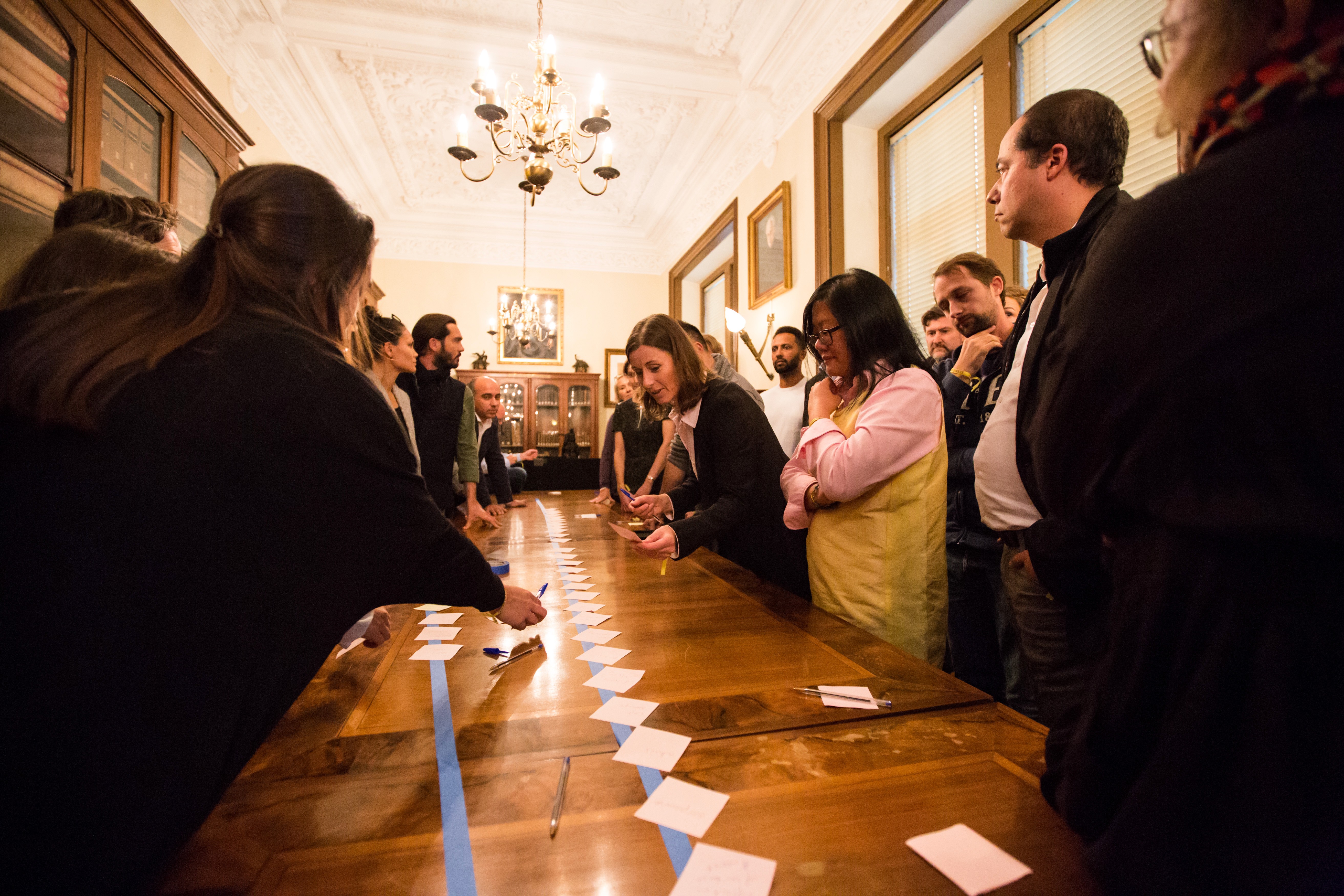
Push the circle out. A working session where you generate real ways to extend what you can do—make yourself a tool, send work away, learn a field, set something to watch for you. You leave Day One with ideas; on Day Two, one of them becomes your project.
Judgment in the presence of the machine. Live exercises in the decision science of AI collaboration: watch your own confidence, certainty, and understanding move in real time—and learn to notice it happening.
Day Two: Agency and Accountability
The practice: notice, choose, show up. Nine practices for thinking with AI, taught as principles that will outlast any tool. Noticing runs the whole time you work: what do I think this is about, before the machine speaks? What is this feeling telling me? Am I even reading? Choosing is how you work: set up to learn, not just finish; ask what else could explain this; write the synthesis only you can write. Showing up is how the work leaves your hands: stress-tested, owned, and accounted for.
Your instruments. Here is where this course parts company with every workshop you have attended: you do not memorize the practices—you build them into your tools. A standing instruction that makes your AI ask for your view first. You design yours; the certification runs on instruments you built and revised.
Growing with AI. Turn your profile into a plan: enter fields you never trained in, take on larger decisions, cultivate taste—with AI as the instrument of the growth. Choose your project: the thing you will actually make with AI in the three months.
Thinking together. A team with AI can be smarter than anyone in it, or duller than everyone in it. Learn what makes the difference: visible use instead of hidden use, a person others can argue with and can track who knows what. Then defend your decision to the cohort with nothing in front of you.
Over Three Months: The Practice
The credential is demonstrated over three months. Five cohort video calls, two peer reviews per round, and evidence drawn from your actual work—transcripts, saved prompts, things you really sent, moments you really caught.
The record. A week of your working decisions: which were truly yours, with AI as collaborator.
Catch yourself. Three real moments across the three months, caught as they happen: a conclusion you had without its reasoning; a shift in who you are becoming; a change in what something means in your work—and what it drives next.
The arrangement. One deliberately chosen way of working with AI, run for two weeks on real work, and read honestly: what it did to your attention and your learning.
The decision. One consequential decision, walked through the evidence in the AI reasoning: your framing before the machine engagement, the alternatives you considered, the synthesis you wrote, what you sent versus what it gave you.
The defense. The same decision, defended cold—no notes, no transcript—under your cohort's scrutiny.
The witness. All three months, you review two peers each round. Reading someone else's practice sharpens your own and maintains professional accountability.
The project. The idea from Day One, built: a tool you made, an agent you put to work, a field you entered, a piece you co-authored—presented at the final session with a full account of what the machine did and what was unmistakably yours.
Certification is conferred at the final session.
What the Certification Attests
A Thinking With AI practitioner has demonstrated, on their own real work, that they can:
see their decisions clearly enough to know which are theirs
recognize AI's influence on their thinking, identity, and standards as it happens
choose their working arrangements deliberately
run a consequential decision with AI fully used and the judgment fully theirs
stand behind that decision with nothing in front of them
strengthen the practice of their peers.
Every demonstration is verified by two peers and the Institute against stated criteria.
We also state plainly which parts of the course rest on published, replicated research and which parts are our working thesis based on the current state of research.
Day One: Awareness
The structure of your work. Profile your own work on the five dimensions AI cannot absorb — being there, making hard decisions, combining fields, solving the new, taste. See where AI takes the middle of your job and where it pushes the edge outward. Know what to hand over, what to double down on, and where your work can grow.
How we adapt. Read your own AI history through the three patterns of adaptation—how collaboration changes your thinking, how the relationship changes your identity, and how AI changes what things mean in your work. Locate yourself honestly. Learn to recognize the same patterns in the people you work with and lead.
Push the circle out. A working session where you generate real ways to extend what you can do—make yourself a tool, send work away, learn a field, set something to watch for you. You leave Day One with ideas; on Day Two, one of them becomes your project.
Judgment in the presence of the machine. Live exercises in the decision science of AI collaboration: watch your own confidence, certainty, and understanding move in real time—and learn to notice it happening.
Day Two: Agency and Accountability
The practice: notice, choose, show up. Nine practices for thinking with AI, taught as principles that will outlast any tool. Noticing runs the whole time you work: what do I think this is about, before the machine speaks? What is this feeling telling me? Am I even reading? Choosing is how you work: set up to learn, not just finish; ask what else could explain this; write the synthesis only you can write. Showing up is how the work leaves your hands: stress-tested, owned, and accounted for.
Your instruments. Here is where this course parts company with every workshop you have attended: you do not memorize the practices—you build them into your tools. A standing instruction that makes your AI ask for your view first. You design yours; the certification runs on instruments you built and revised.
Growing with AI. Turn your profile into a plan: enter fields you never trained in, take on larger decisions, cultivate taste—with AI as the instrument of the growth. Choose your project: the thing you will actually make with AI in the three months.
Thinking together. A team with AI can be smarter than anyone in it, or duller than everyone in it. Learn what makes the difference: visible use instead of hidden use, a person others can argue with and can track who knows what. Then defend your decision to the cohort with nothing in front of you.
Over Three Months: The Practice
The credential is demonstrated over three months. Five cohort video calls, two peer reviews per round, and evidence drawn from your actual work—transcripts, saved prompts, things you really sent, moments you really caught.
The record. A week of your working decisions: which were truly yours, with AI as collaborator.
Catch yourself. Three real moments across the three months, caught as they happen: a conclusion you had without its reasoning; a shift in who you are becoming; a change in what something means in your work—and what it drives next.
The arrangement. One deliberately chosen way of working with AI, run for two weeks on real work, and read honestly: what it did to your attention and your learning.
The decision. One consequential decision, walked through the evidence in the AI reasoning: your framing before the machine engagement, the alternatives you considered, the synthesis you wrote, what you sent versus what it gave you.
The defense. The same decision, defended cold—no notes, no transcript—under your cohort's scrutiny.
The witness. All three months, you review two peers each round. Reading someone else's practice sharpens your own and maintains professional accountability.
The project. The idea from Day One, built: a tool you made, an agent you put to work, a field you entered, a piece you co-authored—presented at the final session with a full account of what the machine did and what was unmistakably yours.
Certification is conferred at the final session.
What the Certification Attests
A Thinking With AI practitioner has demonstrated, on their own real work, that they can:
see their decisions clearly enough to know which are theirs
recognize AI's influence on their thinking, identity, and standards as it happens
choose their working arrangements deliberately
run a consequential decision with AI fully used and the judgment fully theirs
stand behind that decision with nothing in front of them
strengthen the practice of their peers.
Every demonstration is verified by two peers and the Institute against stated criteria.
We also state plainly which parts of the course rest on published, replicated research and which parts are our working thesis based on the current state of research.
Course Passes
We’re launching the Thinking With AI Certified course in three cities—with more to come soon.
Two Passes brings a colleague. Day two extends the practice to teams—keeping authorship visible across people working with people and machines—and pairs from the same organization get considerably more out of it than either would alone.
Email hello@artificialityinstitute.org for our 30% education and non-profit discounts, for larger groups, or to schedule a private cohort for your organization.
Two Passes brings a colleague. Day two extends the practice to teams—keeping authorship visible across people working with people and machines—and pairs from the same organization get considerably more out of it than either would alone.
Email hello@artificialityinstitute.org for our 30% education and non-profit discounts, for larger groups, or to schedule a private cohort for your organization.
Bring the course to your city
We’re adding cities through 2027. Tell us where you’d like to see the course run and we’ll let you know when a date is set near you.
Your Instructors:
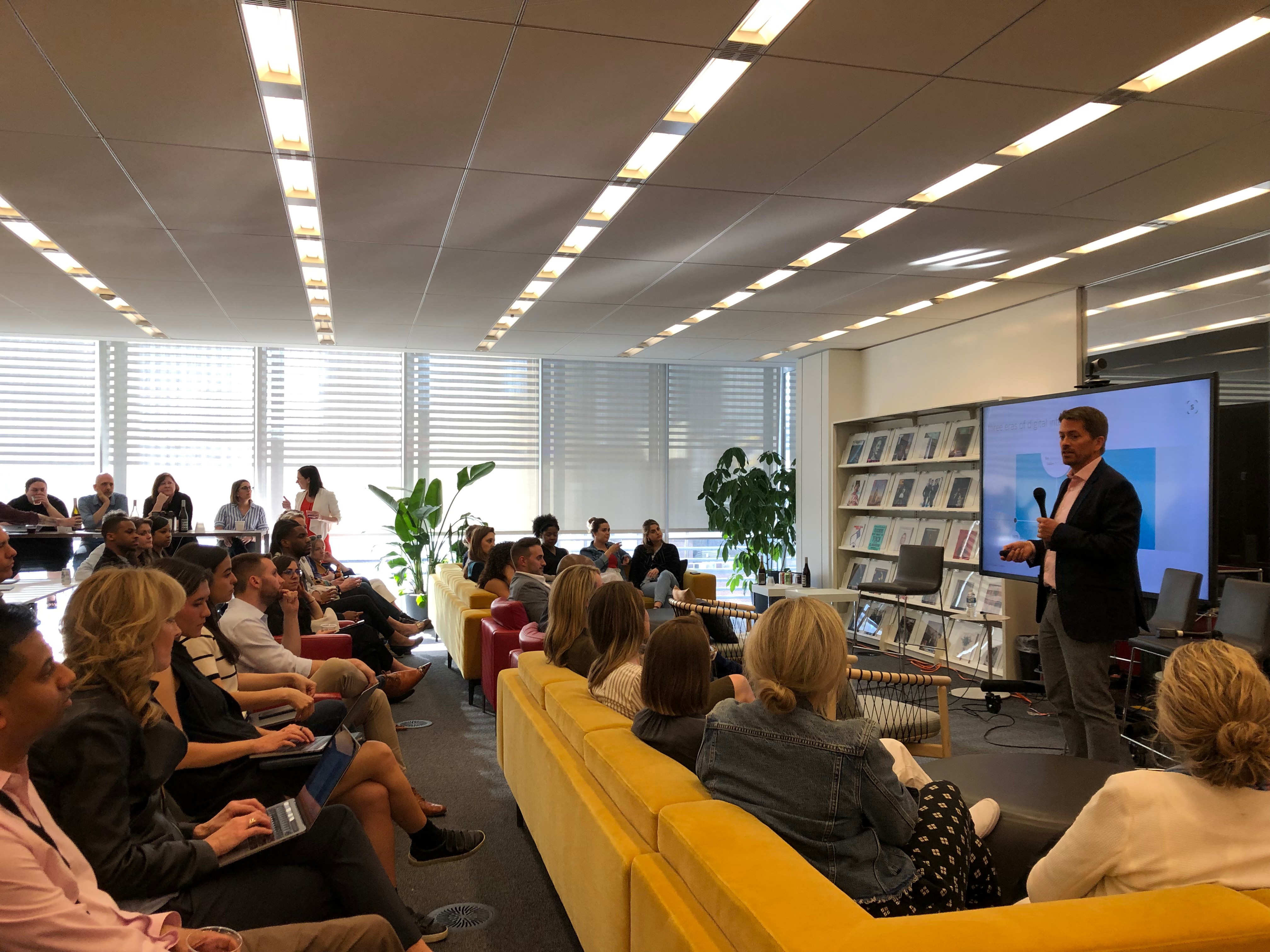
Helen & Dave Edwards
The Artificiality Institute Co-Founders

Helen Edwards
Founder

Dave Edwards
Founder
We come at this from different directions. Helen spent her career leading large-scale technology transformations—as CIO of New Zealand's national grid, in executive roles at PG&E and Fonterra, navigating what happens when complex systems meet human needs. Dave shaped creative software at Apple and invested in emerging technologies as a venture capitalist at CRV and analyst at Morgan Stanley.
What we share: a conviction that the most important questions about AI aren't technical. They're human.
We've been studying the human experience of AI for over a decade—first through Intelligentsia.ai, the research firm we founded (later acquired by Atlantic Media), now through the Artificiality Institute and as Visiting Researchers at UC Berkeley's Center for Human-Compatible AI. Helen also serves as a Commissioner on Oregon's Higher Education Coordinating Commission.
But titles don't capture why we do this. We started because our kids asked a question we couldn't answer. We kept going because we realized almost no one was asking it.
We come at this from different directions. Helen spent her career leading large-scale technology transformations—as CIO of New Zealand's national grid, in executive roles at PG&E and Fonterra, navigating what happens when complex systems meet human needs. Dave shaped creative software at Apple and invested in emerging technologies as a venture capitalist at CRV and analyst at Morgan Stanley.
What we share: a conviction that the most important questions about AI aren't technical. They're human.
We've been studying the human experience of AI for over a decade—first through Intelligentsia.ai, the research firm we founded (later acquired by Atlantic Media), now through the Artificiality Institute and as Visiting Researchers at UC Berkeley's Center for Human-Compatible AI. Helen also serves as a Commissioner on Oregon's Higher Education Coordinating Commission.
But titles don't capture why we do this. We started because our kids asked a question we couldn't answer. We kept going because we realized almost no one was asking it.
Feedback from Previous Courses
“You have a unique ability to describe what it means to be human in the age of AI.”
— Head of Marketing, Global finance company
“You are masters in translating complex issues into compelling, relatable stories.”
— Head of L&D, Global retail company
“Helen and Dave’s ability to make AI simple and accessible is outstanding.”
— Chief People Officer, E-commerce company
“You reassured me that a beautiful future is possible with AI.”
— Head of Operations, Manufacturing company
“You have a unique ability to describe what it means to be human in the age of AI.”
— Head of Marketing, Global finance company
“You are masters in translating complex issues into compelling, relatable stories.”
— Head of L&D, Global retail company
“Helen and Dave’s ability to make AI simple and accessible is outstanding.”
— Chief People Officer, E-commerce company
“You reassured me that a beautiful future is possible with AI.”
— Head of Operations, Manufacturing company
FAQ
How do you work? Small cohorts, no audience. Everyone contributes; nobody spectates. You spend both days on your own real work, and you are questioned on it closely—by people who don't know your context and therefore ask what your colleagues have stopped asking. That is the value, and it is also the part people are most nervous about. It is built to be rigorous, not adversarial.
Where will we meet? Venues will be set closer to the course date.
When will we meet? 9am-5pm on each day. Calls during the three month practice period will generally be set at 12pm in the local time zone.
How many people will be in my class? Each cohort is limited to 25 participants.
What's included?
Two full days of programming
Lunch both days, with dietary options arranged in advance
Your work profile and development plan, yours to keep
Companion book: Stay Human
Certification against the published Thinking With AI Certified standard
What stays in the room? Everything. Nothing shared in the cohort is repeated outside it, by us or by anyone present, and nothing you bring is recorded or retained. You choose what to bring: the decision needs to be real and consequential to you, not necessarily confidential.
What do I need to bring? A laptop and the AI tools you already use.
Do I need to be technical? No. You need to be a professional who uses AI and cares about the quality of their thinking. You need to be using AI often enough to have habits worth examining, and to bring real work you can think about openly in a small room.
Which AI tools does it cover? Whatever you actually use. The practices are designed to outlive any tool, and you will install them in your own. The course teaches capabilities, not tools.
What if I can't share my work? You never have to. Evidence shows your reasoning, not your content; business material stays private, always.
How much time do the three months take? The demonstrations run on work you are already doing. Beyond that: five calls, two short peer reviews per round, and the videos themselves. Most weeks it is an hour or two.
What if I miss a call? One make-up is permitted. The cohort rhythm matters — the calls are where the practice becomes visible.
Is this an AI ethics course? No. It is a thinking course. Ethics shows up the way it does in real work: in what you check, what you admit, and what you put your name to.
Who else will be in the room? People from these organizations have taken part in Institute gatherings and courses: Allianz, Amazon, Berggruen Institute, Brown University, Capgemini, Columbia University, Cisco, E.ON, EY, Fidelity, Fundação Dom Cabral, Galp, Google, Harvard University, IBM, IDEO, Inflection, John Cabot University, Latimer.ai, Leadership Greater Washington, Microsoft, National Head Start Association, Netflix, Oregon State University, Parsons School of Design, Portland State University, R/GA, Salesforce, Santander, SAP, Slalom, Stanford University, Starbucks, SurveyMonkey, The New York Times, Thomson Reuters, Transpower NZ, Tufts University, University of California, University College London, University of Portland, University of Washington, VSCO, Webjet, Workday Foundation, and Yale University.
Can we run this privately for our team? Yes. We run private cohorts for organizations. Email hello@artificialityinstitute.org.
How do you work? Small cohorts, no audience. Everyone contributes; nobody spectates. You spend both days on your own real work, and you are questioned on it closely—by people who don't know your context and therefore ask what your colleagues have stopped asking. That is the value, and it is also the part people are most nervous about. It is built to be rigorous, not adversarial.
Where will we meet? Venues will be set closer to the course date.
When will we meet? 9am-5pm on each day. Calls during the three month practice period will generally be set at 12pm in the local time zone.
How many people will be in my class? Each cohort is limited to 25 participants.
What's included?
Two full days of programming
Lunch both days, with dietary options arranged in advance
Your work profile and development plan, yours to keep
Companion book: Stay Human
Certification against the published Thinking With AI Certified standard
What stays in the room? Everything. Nothing shared in the cohort is repeated outside it, by us or by anyone present, and nothing you bring is recorded or retained. You choose what to bring: the decision needs to be real and consequential to you, not necessarily confidential.
What do I need to bring? A laptop and the AI tools you already use.
Do I need to be technical? No. You need to be a professional who uses AI and cares about the quality of their thinking. You need to be using AI often enough to have habits worth examining, and to bring real work you can think about openly in a small room.
Which AI tools does it cover? Whatever you actually use. The practices are designed to outlive any tool, and you will install them in your own. The course teaches capabilities, not tools.
What if I can't share my work? You never have to. Evidence shows your reasoning, not your content; business material stays private, always.
How much time do the three months take? The demonstrations run on work you are already doing. Beyond that: five calls, two short peer reviews per round, and the videos themselves. Most weeks it is an hour or two.
What if I miss a call? One make-up is permitted. The cohort rhythm matters — the calls are where the practice becomes visible.
Is this an AI ethics course? No. It is a thinking course. Ethics shows up the way it does in real work: in what you check, what you admit, and what you put your name to.
Who else will be in the room? People from these organizations have taken part in Institute gatherings and courses: Allianz, Amazon, Berggruen Institute, Brown University, Capgemini, Columbia University, Cisco, E.ON, EY, Fidelity, Fundação Dom Cabral, Galp, Google, Harvard University, IBM, IDEO, Inflection, John Cabot University, Latimer.ai, Leadership Greater Washington, Microsoft, National Head Start Association, Netflix, Oregon State University, Parsons School of Design, Portland State University, R/GA, Salesforce, Santander, SAP, Slalom, Stanford University, Starbucks, SurveyMonkey, The New York Times, Thomson Reuters, Transpower NZ, Tufts University, University of California, University College London, University of Portland, University of Washington, VSCO, Webjet, Workday Foundation, and Yale University.
Can we run this privately for our team? Yes. We run private cohorts for organizations. Email hello@artificialityinstitute.org.
Certification
What does certifying by demonstration involve? On the afternoon of day two you defend a real decision in front of your cohort and present your growth plan, assessed against the Stay Human Standard—a published document setting out what a certified practitioner can demonstrably do, the evidence required, and how it is judged.
What if I don't meet the standard? Everyone who attends completes the course. Certification is assessed separately and communicated privately within one week—no one is failed in front of the room. If you don't meet the standard, you may resubmit once at no cost within 90 days, live over video, with feedback on exactly what to strengthen.
Does the certification expire? Your certification is dated—Thinking with AI Certified, 2026—and does not expire. We may introduce a renewal path as the practice develops; founding cohort members will be first to hear.
The Artificiality Institute is a member of The CPD Certification Service, the independent body that has assessed continuing professional development since 1996 and whose accreditation is recognized by professional institutes and employers in more than 100 countries.
Thinking With AI Certified is being submitted to CPD for formal certification. Once approved, participants will receive a CPD certificate for the course hours they complete, which can count toward the annual professional development requirements of many professional bodies and corporate L&D programs.
Certification of your Thinking With AI competency—the credential itself—is assessed and issued by the Institute against our published standard, and is separate from CPD hours. You earn both by completing the course.
What does certifying by demonstration involve? On the afternoon of day two you defend a real decision in front of your cohort and present your growth plan, assessed against the Stay Human Standard—a published document setting out what a certified practitioner can demonstrably do, the evidence required, and how it is judged.
What if I don’t meet the standard? Everyone who attends completes the course. Certification is assessed separately and communicated privately within one week—no one is failed in front of the room. If you don’t meet the standard, you may resubmit once at no cost within 90 days, live over video, with feedback on exactly what to strengthen.
Does the certification expire? Your certification is dated—Thinking with AI Certified, 2026 — and does not expire. We may introduce a renewal path as the practice develops; founding cohort members will be first to hear.
How can an employer verify it? You receive a verifiable digital badge, issued to the Open Badges standard. It carries a unique ID, the date of issue, and a link to the standard it was assessed against—so anyone can see not just that you’re certified, but what you had to demonstrate. One click adds it to your LinkedIn profile.
Do I need a technical background? No. You need to be using AI often enough to have habits worth examining, and to bring real work you can think about openly in a small room.
Can we run this privately for our team? Yes. We run private cohorts for organizations. Email hello@artificialityinstitute.org.
Registration, transfers, and refunds
We want you to register with confidence. Cohorts are deliberately small and capacity-limited, and our commitments to venues and catering are made well in advance. The policy below is built to give you real flexibility while reflecting those commitments—and to make sure that, even if your plans change, your investment is never simply lost.
All timeframes below are measured from the first day of the cohort you registered for.
Refunds
60 or more days before your cohort: 80% refund.
30–59 days before: 50% refund.
Within 30 days: non-refundable—rollover credit or transfer options apply as described below.
Approved refunds are returned to your original payment method within 14 business days of your request.
Rollover credit—for last-minute changes: If you need to cancel inside the non-refundable window, you may instead roll over your pass as a credit toward any cohort in any location in the following 12 months.
Transfer to a colleague—any time: You may transfer your seat to a colleague or peer at no cost, up to 7 days before your cohort begins. We set that short cutoff only so we can prepare materials for your replacement.
If we cancel or reschedule If we cancel your cohort, you'll receive a full refund of your ticket price. If we reschedule, your seat will be honored for the new dates; if you're unable to attend them, you may transfer or roll over as described above. Please note we're unable to reimburse travel, lodging, or other personal costs, so we recommend refundable travel arrangements or travel insurance.
How to request: To request a refund, transfer, or rollover, contact us at hello@artificialityinstitute.org. We're happy to help.